Open this article in your preferred AI tool and ask it to summarize the key points.


Why the fastest-moving products are the hardest to automate
Why conventional AS/RS and goods-to-person systems struggle with the highest-velocity SKUs
The products you sell the most are often the hardest to automate.
By definition, fast movers appear in a large share of orders and need to be picked frequently and quickly. Examples include bananas in grocery, samples in cosmetics, and promotional items in e-commerce.
Like other inventory, these products typically arrive at the warehouse in cases or on pallets. This creates an immediate challenge for most automated fulfillment systems.
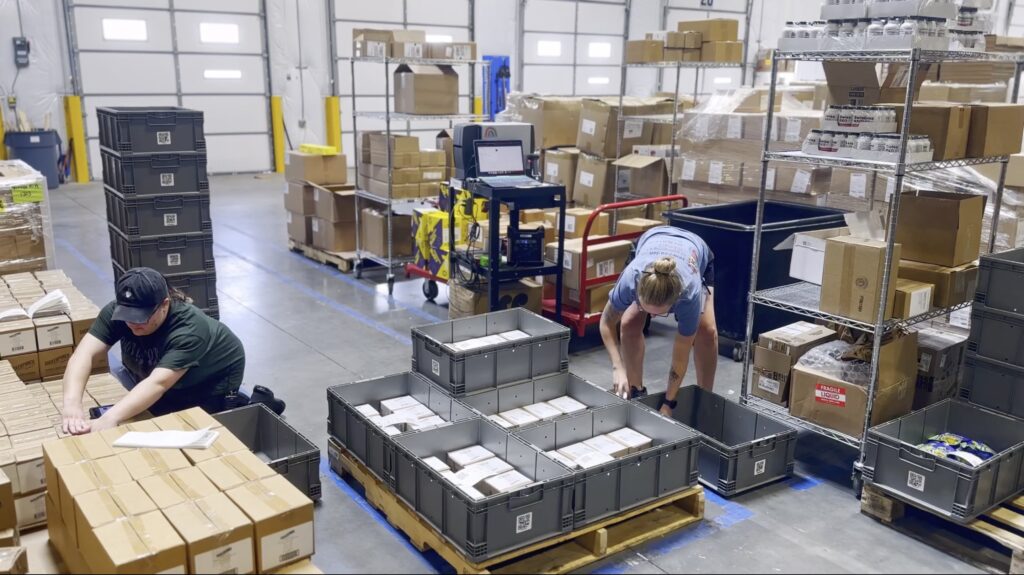
Traditional automated storage and goods-to-person systems are designed to store and pick individual products from totes. Before fast-moving products can enter the system, workers must therefore remove them from their original packaging and decant them into storage totes.
The problem is that fast movers often leave the system almost as quickly as they enter it. Workers may spend nearly as much time decanting these products as they would picking them directly from the original case. Instead of eliminating labor, the automation simply adds another handling step.
Some automated systems can store full cases, but this does not fully solve the problem. Each case must still enter storage, travel to a picking station whenever products from it are needed, and then return to storage afterward.
All of this movement takes time and consumes system capacity. Handling the additional traffic may require more robots, picking stations, and supporting infrastructure, increasing the cost of the overall solution.
Why fast movers often stay manual
For this reason, many automated warehouses keep their fast-moving products in a separate pallet or case-picking area. Slower-moving B and C products are stored inside the automated system, while workers pick fast movers manually from their original packaging.
This approach still requires labor, but is often more efficient than repeatedly moving high-velocity inventory into, through, and out of an automated storage system.
Other technologies can help, but they introduce their own limitations. Assisted picking robots reduce the amount of walking required, but they still require lots of labor and operate as a separate system alongside the main automated storage solution.
A-frames can dispense suitable products extremely quickly. However, workers must replenish the system one unit at a time. In practice, this simply shifts labor from picking to replenishment.
In both cases, orders containing both fast- and slow-moving products must then be consolidated downstream. This adds another process, along with more handling, software complexity, floor space, and cost.
Traditional warehouse automation therefore leaves operators with two imperfect options: handle fast movers inefficiently inside the automated system, or pick them efficiently but manually outside it.
Either choice increases labor, consumes valuable system capacity, or requires a separate downstream consolidation process.
Automating fast movers in one system
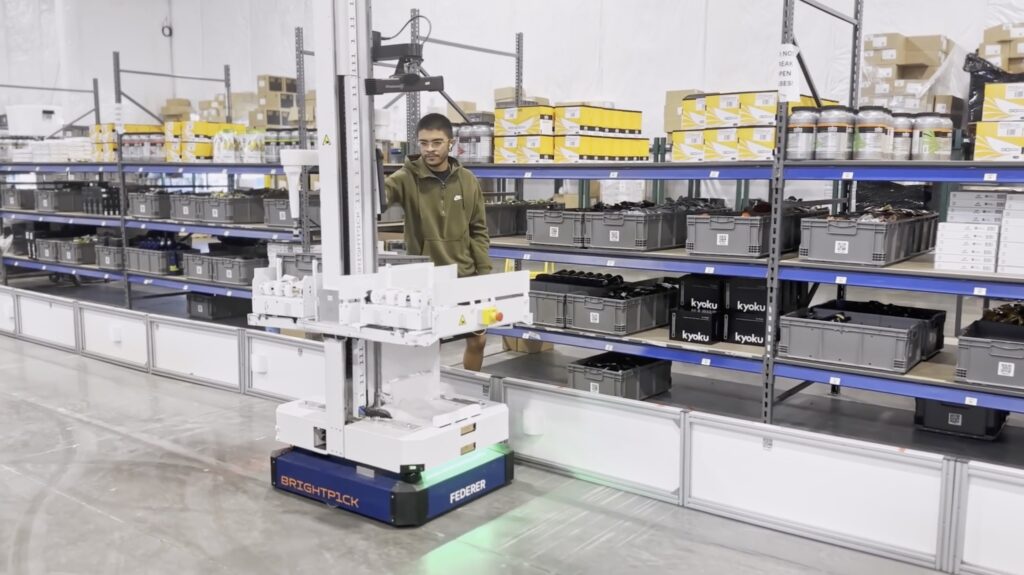
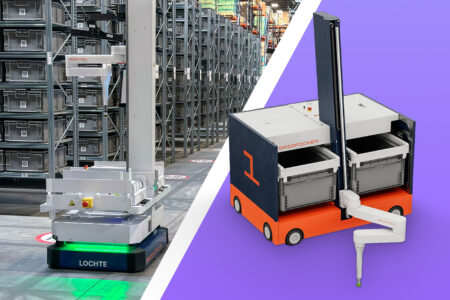
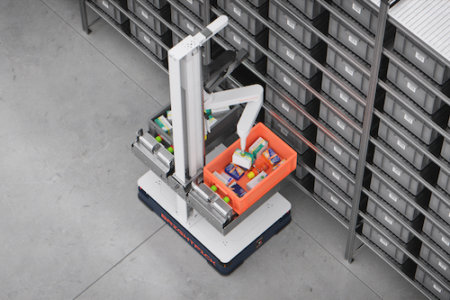
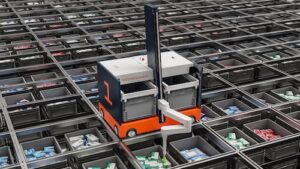
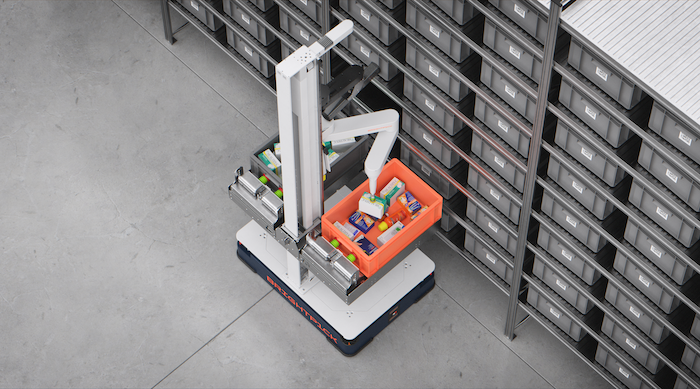
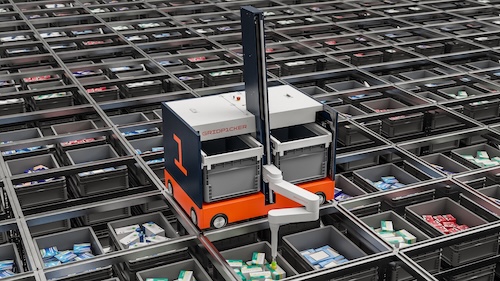
Brightpick takes a different approach. Our Autopicker solution combines robotic picking, goods-to-person picking, and assisted picking all within one system.
Through our Fast Lane stations, fast-moving products can be picked directly from cases or pallets into the same order tote as the rest of the picked items. Fast Lane can therefore handle products that would be inefficient to decant and store, without creating a separate order flow or requiring downstream consolidation.
The result is one unified fulfillment system that can efficiently handle the full range of SKU velocities, from the slowest-moving products to A++ SKUs and fast-moving products.
About Brightpick
Brightpick is a leader in AI-powered robotic solutions for warehouses. The company’s multi-purpose AI robots enable warehouses of any size to fully automate order picking, buffering, consolidation, dispatch, and stock replenishment. The award-winning Brightpick solution takes just weeks to deploy and allows companies to keep their warehouse labor to a minimum. With offices in the US and Europe, Brightpick has more than 250 employees and hundreds of AI robots deployed with customers.
- SHARE
-

-
-
-


- SHARE
-
-
-
-